What to watch for on every Ohio lawn
Across Ohio, a healthy lawn looks even and green. When color shifts or growth slows, it’s a sign to pause and assess. Our team of lawn care specialists at Ohio Land Clearing walks homeowners through the most common warning signals we see in lawns across the state. Quick recognition helps protect the root zone and keeps grass growing strong through Ohio seasons.
Color changes and uneven growth
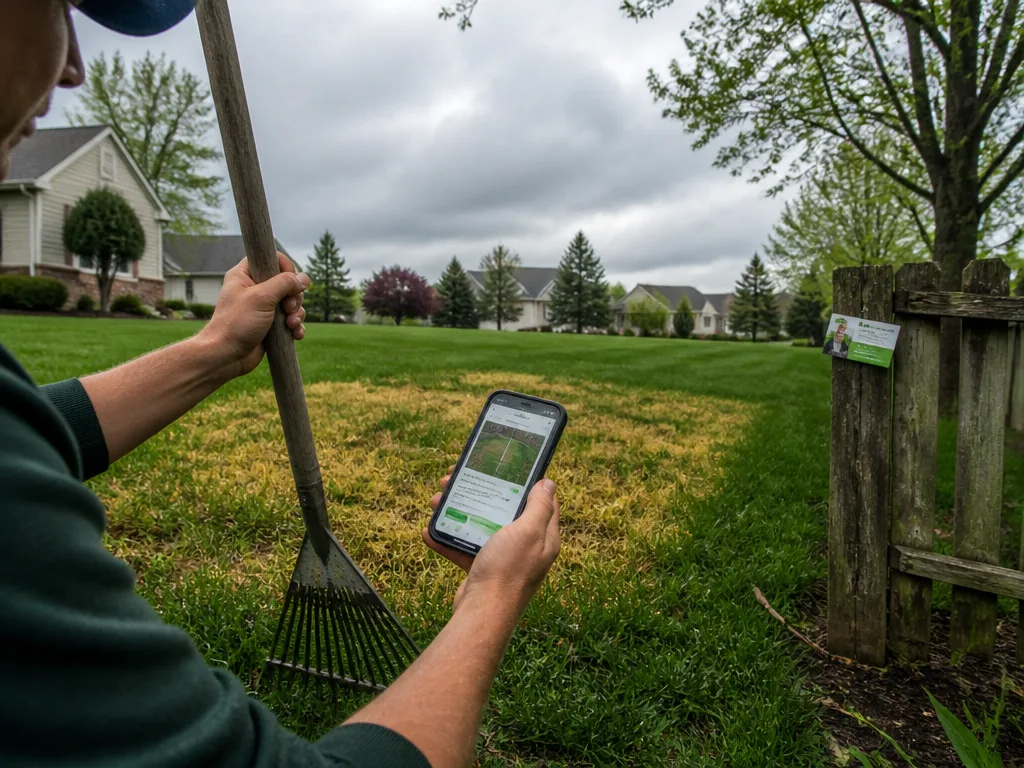
Flat, dull yellow patches, pale green areas, or stripes that won’t recover after a mowing pass can indicate a problem. In Ohio, heat stress in summer or nutrient imbalances in spring are frequent culprits. If you notice patches that won’t fill in, it’s time to look at soil health, watering patterns, and mower height. Our crew can help you identify the root cause without overhauling your entire lawn.
Another telltale sign is thinning grass in high-traffic zones. Ohio homeowners often see wear along paths and play areas. Repeated foot traffic compacts the soil, making it harder for roots to breathe. This often shows up as a lighter color or a sparse feel underfoot.
Soil and root indicators
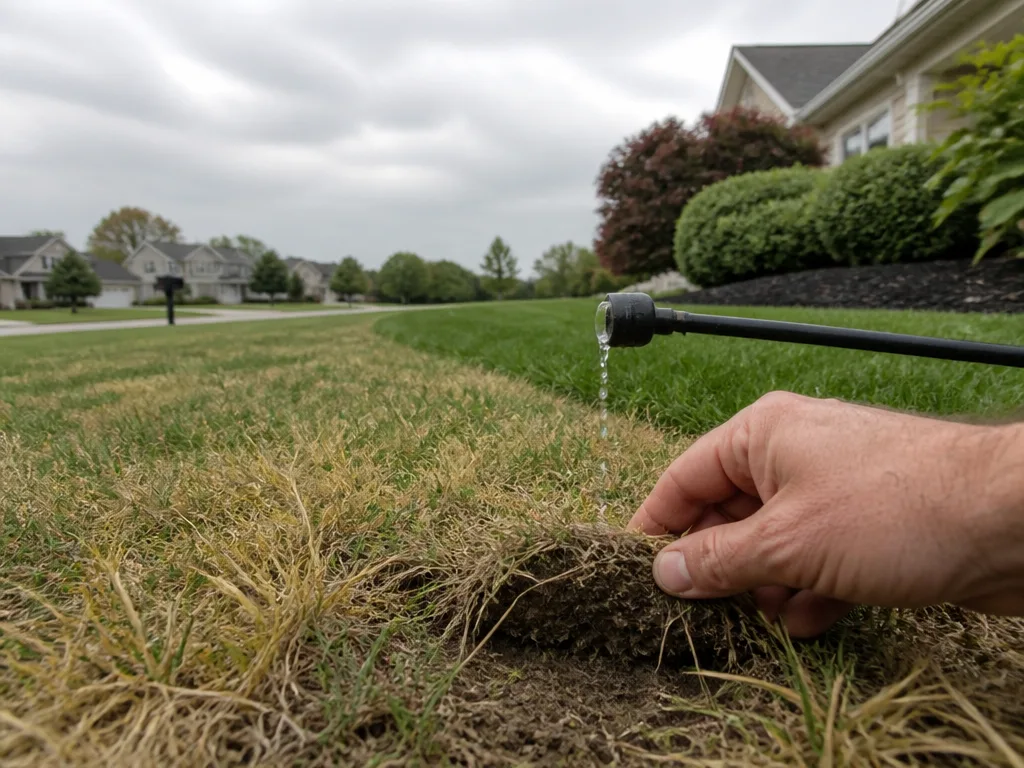
If the lawn feels soft in damp conditions or bounces back slowly after rainfall, that can point to compaction or poor soil structure. In Ohio, seasonal rains can either loosen soil or contribute to compaction during dry spells when the soil shrinks. A simple test is to push a screwdriver into the soil over several spots; if it doesn’t penetrate easily, compaction might be the issue. A lawn care specialist from Ohio Land Clearing can confirm via a quick assessment and suggest targeted steps.
Another indicator is that we see thatch buildup beyond a half inch. Thatch can hinder water and air movement to roots. In statewide reviews, excessive thatch is a common warning sign across different Ohio neighborhoods, not tied to a single climate zone. Addressing thatch early helps prevent deeper problems down the line.
Next steps for Ohio homeowners
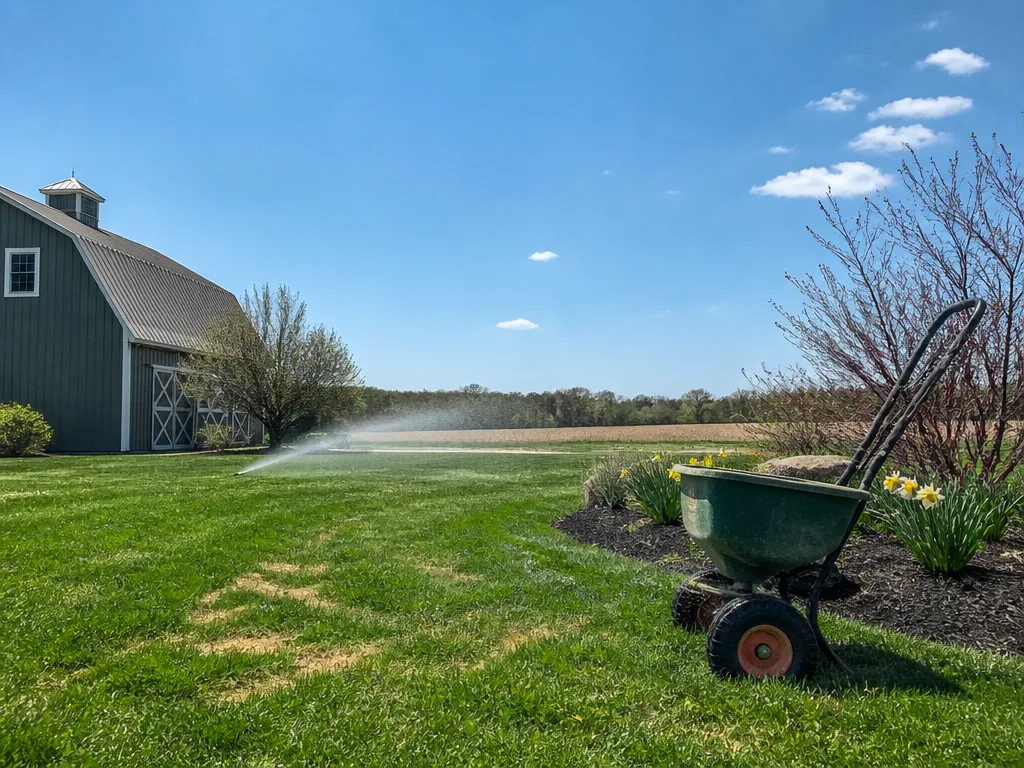
Start with a simple inspection. Check mowing height, watering timing, and the amount of fertilizer used in the last six to eight weeks. If color and growth don’t improve within a couple of weeks after adjusting those factors, call our team. Ohio Land Clearing can provide a practical plan tailored to your lawn and your local conditions.
We’ll map out a clear action path that fits Ohio seasons, whether it’s a gradual nutrient adjustment, soil aeration, or a light overseed. The goal is steady recovery, not a dramatic overnight change. Our crews in every Ohio metro are equipped to help you move from warning signs to a healthier lawn.
- Check mowing height: keep at 2.5 to 3.5 inches for cool-season grasses common in Ohio
- Water deeply, less often: early morning irrigation helps roots develop
- Observe for thinning patches after a few weeks